Skip to content

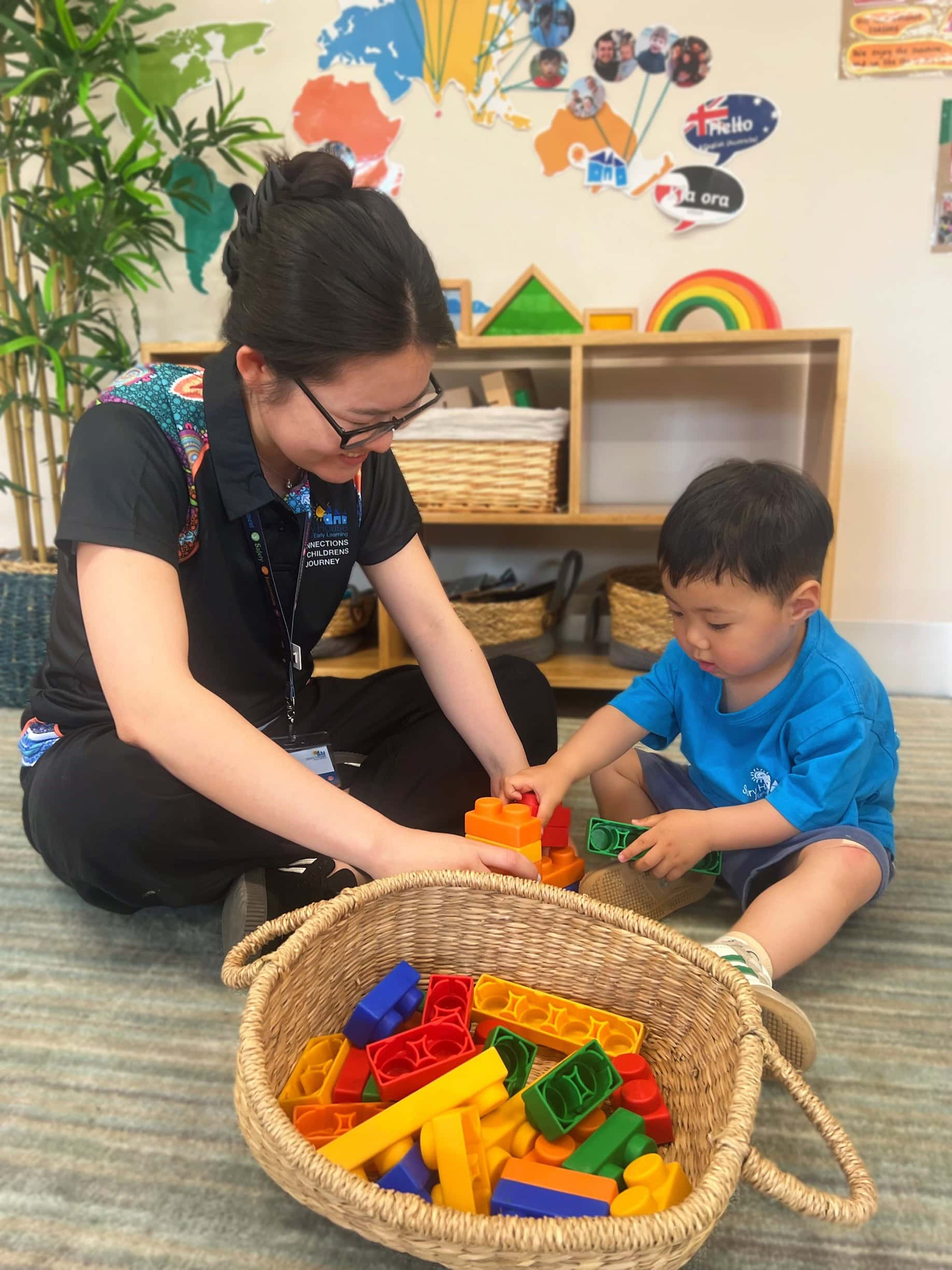
Toddlers have energy to burn. When the weather keeps everyone inside, a few smart indoor activities can turn the day around. These ideas keep little hands busy, minds switched on, and bodies moving in safe, simple ways.
At Story House Early Learning, play drives learning. Every game builds something new, from balance to language to confidence. Here are ten easy indoor activities you can try at home or look for in your service’s daily program.
1. Sensory Bins
A shallow tub, a few scoops, and a safe filler make magic. Try crinkled paper, soft pom poms or fabric scraps. Toddlers pour, stir, search and explore. Sensory play boosts fine-motor skills and helps toddlers calm and focus.
2. Cushion Obstacle Course
Use cushions, soft blocks or floor mats to build a simple path. Add crawling sections, balance lines or small jumps. This builds coordination, strength and confidence, even in tight spaces.
3. Soft Tunnel Crawl
Set up a soft play tunnel, a large cardboard box or a blanket draped over two chairs. Crawling through enclosed spaces builds spatial awareness, balance and core strength. Younger toddlers love the peek-through, crawl-through rhythm, and it supports early gross motor skills.
4. Story Time With Props
Read a short picture book, then act it out with soft toys or simple puppets. This boosts language, imagination and listening skills. Let toddlers pick the character they want to play.
5. Indoor Scavenger Hunt
Hide soft toys or coloured objects around the room. Give simple clues like “Find something red” or “Look near the couch”. This builds problem-solving skills and keeps toddlers moving.
6. Music and Movement
Play a favourite song and invite toddlers to dance, march or wiggle. Add freeze-dance moments for fun. Movement builds rhythm, balance and confidence.
7. Pretend Play Corners
Set up a small cooking corner, doctor’s kit or shop with everyday items. Pretend play helps toddlers practise language, social skills and empathy. Keep props simple and safe.
8. Stacking and Building
Blocks, stacking cups or soft bricks let toddlers test height, balance and cause-and-effect. Celebrate every topple and rebuild. It builds fine-motor control and persistence.
9. Colour Sorting Baskets
Place coloured toys or household items into small bowls or baskets. Toddlers sort, match and compare. This builds early maths skills and attention.
10. Imagination Boxes
Give toddlers empty boxes, paper and crayons. They turn them into cars, houses, tunnels or caves. Open-ended play invites creativity and problem-solving.
Tips to Keep Indoor Play Smooth
- Keep activities short and varied. Toddlers switch gears fast.
- Follow their interests, not a fixed plan.
- Offer praise for effort, not perfection.
- Create a safe, open space by clearing sharp objects or tripping hazards.
- Reuse everyday items. Play doesn’t need fancy equipment.
Why Indoor Play Matters
Indoor play supports key early learning skills. Toddlers build coordination, communication, imagination and confidence, even when they can’t get outdoors. A mix of sensory play, pretend play and physical movement creates balanced, meaningful learning.
At Story House Early Learning, days include a blend of indoor and outdoor experiences. Our educators design play that supports each child’s developmental stage and natural curiosity.
Want more ideas?
Visit your local Story House Early Learning service or chat with your educators about the activities your toddler enjoys. Indoor days can still be active, creative and fun with the right play at hand.